How To Choose The Right Wedding Photographer In Kansas City, MO: 12 Things Couples Should Know
Choosing the right wedding photographer is about more than finding photographs you like or a package that fits your budget. You are trusting someone to document moments that cannot be repeated, work through changing light and unexpected delays, interact with the people closest to you, and preserve the story of your wedding after the day is over.
Most couples begin by comparing Instagram feeds, prices and hours of coverage. Those things matter, but they do not tell you everything. A highlight portfolio does not show how a photographer handles an entire wedding. A package does not explain whether the person you meet will actually photograph your day. And a beautiful outdoor portrait does not prove that someone can confidently photograph a dark ceremony or a fast-moving reception.
The right photographer should fit your style, priorities, personalities and plans. Before choosing a Kansas City wedding photographer, use these 12 considerations to look beyond the highlight reel and understand what your complete experience could actually be like.

1. Make Sure Their Portfolio Shows More Than Posed Portraits
Beautiful couple portraits matter, but they are only one part of a wedding day. Some of the photographs that become most meaningful are moments you never planned—the reaction as you walk down the aisle, a parent trying not to cry, your closest friends laughing while you get ready or your grandparents dancing together at the reception.
When reviewing a photographer’s work, look beyond the carefully posed portraits and pay attention to how they document real emotion, movement and interaction.
Look for:
Genuine reactions during the ceremony
Quiet moments between the couple
Natural laughter while getting ready
Candid interactions during cocktail hour
Energy and movement on the dance floor
Meaningful details and moments happening in the background
Photographs that help you understand how the day actually felt
Posed portraits can show a photographer’s ability to choose a location, create flattering light and provide direction. Candid photographs show whether they remain observant when no one is looking at the camera.
The right wedding photographer should be able to do both. They should confidently guide you when direction is needed, then recognize when to step back and allow a real moment to unfold.
When you look through their work, ask yourself: Do we only see what the couple looked like, or can we also feel what their wedding day was like?
2. Make Sure You Know Who Will Actually Photograph Your Wedding
Some wedding companies are owner-operated. Others use associate photographers, contractors or larger teams. None of those structures is automatically wrong, but you deserve to know exactly who is being trusted with your wedding.
Ask whether the person on your consultation will be the person holding the camera. If not, ask when you will meet your assigned photographer and request complete galleries that person photographed—not only work from the company's owner or lead artist.
You should also know:
Who will be on the photography and filmmaking team?
Who provides direction and manages the timeline?
Who edits the final photographs or film?
What is the replacement plan if someone becomes sick or has an emergency?
Will you be informed if the assigned team changes?
Your connection with the person you meet matters. Make sure that connection carries through to the people who will actually be beside you during the wedding.
3. Choose a Photographer Who Can Adapt to Your Wedding and Your Story
Every wedding does not look or feel the same. A bright outdoor summer wedding may naturally produce clean, vibrant photographs, while a late-fall wedding with lower light may feel warmer, deeper and more cinematic.
The right photographer should not force every wedding into identical lighting, colors, poses or emotions. Sometimes you need someone who can adapt to your style instead of fitting their style onto your story.
That does not mean asking a photographer to abandon the editing and creative quality they are known for. It means choosing someone who listens to what feels natural to you and understands how to adjust their direction, locations, lighting and storytelling to fit the couple in front of the camera.
One couple may want bold, editorial portraits with confident direction. Another may prefer relaxed movement, natural interaction and very little posing. Some weddings feel romantic and elegant, while others are energetic, unconventional or deeply emotional. Your photographs should still feel like your wedding—not a recreation of the photographer’s previous work.
When reviewing a photographer’s portfolio, look for examples from different conditions:
Bright outdoor ceremonies
Cloudy or overcast days
Warm fall weddings
Dark indoor venues
Direct midday sunlight
Golden-hour portraits
Flash-lit receptions
Nighttime photographs
A photographer’s work can respond naturally to different people and environments while remaining polished and recognizable. Skin tones should remain intentional, colors should feel believable and each gallery should feel connected—but different weddings should still be allowed to have different personalities.
Make sure you genuinely like the photographer’s existing work, but also ask whether they take time to understand what matters to each couple. The right photographer brings their experience and creative eye to your wedding without making your wedding fit inside someone else’s formula.
Your photographer’s style should help tell your story—not replace it.
Different light, different atmosphere and different personalities. The goal is not to make every wedding look the same—it is to create photographs that feel true to each couple and their day.
4. Understand the Difference Two Lead Photographers Can Make
Most full wedding days benefit from having two photographers, but the advantage is not simply having another camera in the room. The real value comes from having two experienced photographers who can both take responsibility, give direction and independently document important parts of the day.
Some companies include one lead photographer and offer a second shooter as an upgrade. That second photographer may primarily capture supporting angles and details while the lead remains responsible for organization, portraits and major moments. At Captis, every wedding photography package includes two lead photographers. Both of us are prepared to photograph essential moments, work directly with the couple and help manage the day.
Two lead photographers allow us to divide responsibilities without treating either perspective as less important.
This can mean:
Photographing both partners getting ready at the same time
Capturing the person walking down the aisle and their partner’s reaction
Documenting a first look from two meaningful perspectives
Covering cocktail hour while family portraits are being organized
Photographing details while another photographer stays with the couple
Managing large wedding parties and family groups more efficiently
Capturing reactions from parents, grandparents and guests during major moments
Continuing coverage if one photographer is helping solve a timeline or organizational issue
Coordinating photography and filmmaking without sacrificing important angles
A single experienced photographer can photograph an intimate wedding successfully, especially when everything happens at one location with a smaller guest count and relaxed schedule. The limitation is that one person cannot physically be in two places at once. When simultaneous moments happen, they must decide which perspective receives priority.
Having two lead photographers also adds another layer of preparedness. If equipment fails or one photographer needs to step away unexpectedly, the wedding does not suddenly depend on someone who was only expected to capture secondary material. Both photographers already understand the timeline, the couple’s priorities and how to lead the coverage.
More cameras do not automatically create a stronger gallery. The photographers need to communicate, stay out of each other’s photographs and understand exactly what each person is responsible for.
Couples should ask whether the photography team works together consistently or whether a second shooter will be hired shortly before the wedding. A photographer may have a strong portfolio while the person assisting them has a different level of experience, approach or understanding of the couple’s priorities.
Ask:
How often have the photographers worked together?
Is the second photographer’s experience reviewed before the wedding?
Will both photographers receive the timeline and requested photograph list?
Can both photographers confidently cover an important moment independently?
Who is responsible for organizing family and wedding-party portraits?
Are all images delivered to and edited by the company you hired?
Are team members prohibited from promoting themselves or soliciting clients during your wedding?
A professional second photographer should support the couple and the company they are representing—not use the wedding to build their own client list, distribute personal business information or ignore the established coverage plan.
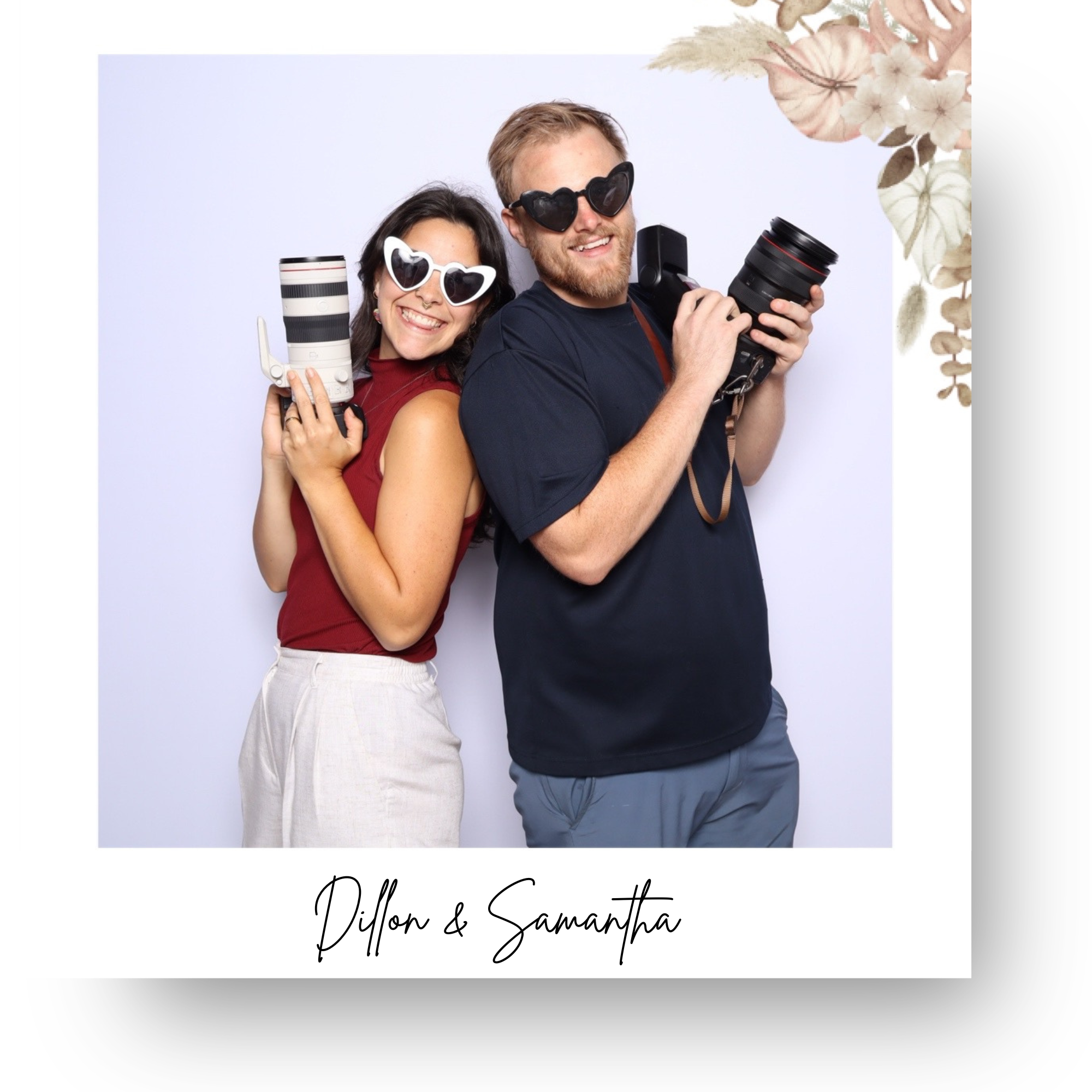
Captis is owned and led by Dillon and Samantha, who plan each wedding together and establish how every important part of the day will be covered. For photography-only weddings, we always work together as the two lead photographers. When a couple books photography and filmmaking, one of us may lead the film coverage while one of our photographers joins the team.
Anyone brought onto a Captis wedding has been carefully vetted and gone through extensive training to understand how we work. They know how to photograph alongside us, follow our coverage plan, communicate with couples and document the same kinds of emotion, reactions and meaningful details we prioritize.
We do not simply find an available photographer and send them into the wedding without preparation. Additional team members are chosen because they can meet our professional standards, work naturally alongside Dillon and Samantha and contribute photographs that fit the complete Captis story.
Dillon and Samantha remain responsible for the planning, team coordination, creative direction and finished work. That allows us to expand the team when a wedding requires both photography and filmmaking without sacrificing the approach, organization or storytelling the couple hired Captis to provide.
5. Compare Useful Coverage, Not Only the Number of Hours
An eight-hour package sounds straightforward, but eight hours of coverage can look completely different depending on the wedding.
Hair and makeup delays, travel between locations, a long gap before the ceremony or beginning coverage too early can use valuable time before the events you care about most. Instead of immediately choosing a package based on hours, ask the photographer to explain what your timeline could realistically include.
This conversation is also a great opportunity to find out whether the photographer truly understands wedding-day coverage. An experienced photographer will usually ask questions before recommending a package rather than automatically pushing a certain number of hours.
They should want to know more than the ceremony time and a list of key moments.
Expect questions about:
Where each partner will be getting ready
Whether those locations are separate
When hair and makeup should be completed
Whether you are planning a first look or private vows
Travel and parking between locations
The size of your wedding party and family portrait list
Ceremony rules or photography restrictions
Sunset time and when portraits can happen
Reception entrances, speeches, dances and exits
Cultural, religious or personal traditions
Surprises or meaningful details that may not appear on a standard timeline
Whether photography and filmmaking coverage need to happen simultaneously
These questions help reveal whether the photographer is thinking through your entire experience or simply counting the major events.
You should also clarify:
When coverage officially begins and ends
Whether travel between locations counts toward coverage
Which reception events are likely to happen before the team leaves
Whether additional coverage can be added before or during the wedding
How overtime is approved and priced
Whether photography and filmmaking coverage begin and end at the same time
A knowledgeable photographer should be able to identify possible problems before the wedding, explain what can realistically fit and recommend where the coverage hours will provide the most value.
The right package is not necessarily the one with the most hours. It is the one built around the full story you want documented—including the meaningful parts of the day you may not initially realize need time.
6. Find Out How Much Help You Receive Before the Wedding
The final photographs are affected by decisions made long before the camera comes out. A photographer should not expect couples to already understand lighting, timelines, makeup for flash photography, posing or how much time different portraits require.
Ask what kind of guidance is provided before the wedding. A helpful photographer may
offer planning calls, questionnaires, checklists or guides covering subjects such as:
Getting-ready locations and available window light
Hair and makeup completion times
Makeup products that can create shine or flashback
Scheduling a makeup trial before the wedding
Preparing and organizing invitation suites, rings and other details
Keeping the getting-ready space clean enough for photographs
Having dresses, suits, shoes and accessories ready before coverage begins
First looks, private vows and letter exchanges
Creating an efficient family photograph list
Travel, parking and realistic transition times
Ceremony restrictions
Sunset and nighttime portraits
Reception entrances, speeches, dances and exits
Small preparation choices can make a noticeable difference. A cluttered getting-ready room, late hair and makeup, an unsteamed dress or important details spread across several locations can reduce the time available for meaningful photographs.
Guidance should also help you feel more comfortable in front of the camera. Couples should not be expected to arrive knowing how to pose. Ask whether the photographer gives direction for posture, hands, movement and placement while still allowing interactions to feel natural.
The strongest posing often does not feel like holding a rigid pose. It may begin with clear direction and then develop through movement, conversation and genuine reactions. A photographer should know how to adjust that guidance for different bodies, personalities, clothing and comfort levels instead of using the exact same pose for everyone.
This support is especially important for Kansas City weddings involving downtown traffic, multiple venues or short winter daylight. If sunset occurs during the ceremony or dinner, that changes when outdoor portraits need to happen.
A strong photographer should also be honest when a plan is unrealistic. Trying to fit several locations, a large family list and full wedding-party portraits into a short window usually creates stress. Thoughtful preparation gives the photographer room to create while giving you room to experience your wedding.

At Captis, our planning guides are designed to answer many of these questions before they become wedding-day problems. Couples receive practical guidance that helps them prepare for both a smoother experience and stronger photographs—not simply a list of poses or a timeline template.
7. Choose a Photographer Who Prepares Before Something Goes Wrong
Most weddings shift at some point. Hair and makeup may take longer than expected. Transportation may be delayed. Weather may change. A family member may disappear immediately before portraits.
An experienced photographer should not wait until the wedding day to begin thinking about those possibilities. They should review the schedule beforehand, identify potential problems and help create a photography timeline with realistic buffers.
Before the wedding, your photographer should be prepared to show you how much time is realistically needed for:
Getting-ready photographs
First looks or private vows
Wedding-party portraits
Family groupings
Travel and parking
Ceremony restrictions
Couple portraits
Sunset photographs
Reception events
A strong timeline should include breathing room instead of scheduling every moment back to back. Even a small buffer can protect important portraits when hair, traffic, transportation or family photographs take longer than planned.
If you have a wedding planner or coordinator, the photographer should be willing to communicate and coordinate with them. The planner understands the complete event, while the photographer understands the time, lighting and movement needed to create the photographs. Those schedules should support each other rather than conflict.
If you do not have a coordinator, your photographer should still educate you about what affects photography and help you understand where the schedule may need adjustment. They are not replacing a full wedding planner, but they should not leave you to guess how much time photographs require.
Even with preparation, the wedding may still move off schedule. When that happens, an experienced photographer should be able to:
Reorder photographs when necessary
Identify which images must be protected
Communicate with the planner, coordinator or DJ
Keep family portraits moving efficiently
Adjust to changing light and weather
Explain overtime options before coverage ends
Remain calm while giving clear direction
Preparation and adaptability work together. The photographer should arrive with a plan, understand how to adjust that plan and help lower the pressure in the room rather than adding to it.
8. If You Want Photography and Film, Ask How the Teams Work Together
Photography and filmmaking document the same wedding, but they do not always need the same position, lighting or amount of time to create their work. If the teams are not communicating, they may compete for the same angle, step into each other’s shots or repeatedly ask the couple to recreate the same moment.
Before booking, ask how the photography and filmmaking teams coordinate.
They should have a plan for:
Getting-ready coverage in separate locations
First looks and private vows
Ceremony positions and movement
Microphones and audio equipment equipment
Couple and wedding-party portraits
Reception entrances, speeches and dances
Lighting during the reception
Sharing limited portrait time
Avoiding cameras, tripods and team members in each other’s work
A photographer may want to move quickly between several poses, while a filmmaker may need an action to continue long enough to capture movement and natural audio. A coordinated team understands how to create both without making the couple repeat every interaction or spend twice as long taking portraits.
This is one advantage of booking photography and filmmaking through the same company. The timeline, creative direction and priorities can be planned together instead of being introduced for the first time on the wedding day.
However, offering both services does not automatically mean a company is equally strong at both. Review complete photography work and finished wedding films. Ask who will be responsible for each service and whether the team members have worked together before.
At Captis, photography and filmmaking are planned as one connected story. Dillon and Samantha establish the coverage plan together, and any additional trained and vetted team member is prepared to work within that system. This allows us to protect the photographs, movement, audio and emotional reactions without making the couple feel caught between two separate production teams.
The goal is not to turn your wedding into a film set. It is to let both teams create strong work while allowing you to remain present in the experience.
9. Understand the Full Backup Plan—not Just the Backup Camera
Weddings do not come with redo days. Professional preparation should account for equipment failure, damaged files, illness and other unexpected problems.
Without asking for private technical details, find out whether the photographer has:
Backup camera bodies and essential lenses
Extra lighting, batteries and memory cards
A method for recording or protecting files during the wedding
A secure process for backing up images afterward
A plan if a photographer or filmmaker becomes unavailable
Current business and liability insurance
Many venues require vendors to provide proof of insurance. More importantly, a clear backup process shows that the company treats your wedding as an irreplaceable event rather than an ordinary photoshoot.
10. Compare the Complete Deliverables—not Just the Starting Price
Two packages with similar prices and hours can provide very different experiences. Before comparing totals, make sure you are comparing what is actually included.
Review:
Number of photographers or filmmakers
Hours of coverage
Timeline and planning assistance
Engagement-session options
Sneak peeks or previews
Estimated or contracted delivery window
High-resolution downloads
Personal printing rights
Online gallery availability
Albums, prints or physical products
Travel charges
Additional-hour pricing
Sales tax, payment processing fees or other charges
Wedding-film length and separately delivered moments
If something influenced your decision, make sure it is included in the written proposal or contract. A conversation, direct message or promotional post may not describe all limitations.
The least expensive option is not automatically the worst, and the most expensive is not automatically the best. Value comes from the quality, reliability, support and deliverables that matter to your wedding.
11. Know Exactly What Will Be Delivered and When
Terms like all images, edited photographs, sneak peeks and RAW files are sometimes misunderstood.
RAW files are unfinished camera files that require specialized software and do not represent the photographer's final work. Most professional photographers select the strongest photographs, remove duplicates, test frames, blinks and accidental images, and deliver a finished edited gallery. “All photographs” normally does not mean every time the shutter was pressed.
Before booking, ask:
Will every delivered photograph be edited?
Is there an expected or guaranteed image range?
Will images be delivered in high resolution?
Are personal printing rights included?
How long will the gallery remain available?
Are previews included, and are they guaranteed?
What delivery window appears in the contract?
How will delays or updates be communicated?
Printing rights are also different from copyright ownership. Make sure the contract explains what you may download, print and share.
At Captis, we deliver finished work rather than unfinished RAW files because selection, color, consistency and final polish are part of the creative service couples hire us to provide.
12. Pay Attention to How the Photographer Makes You Feel
Your photographer will be present during emotional, private and high-pressure parts of the wedding. They may be in the room while you get dressed, guide your family through portraits, witness your first look and stand only a few feet away during your vows.
That is why choosing a photographer should involve more than exchanging a few text messages and receiving a price list.
Find out whether they are willing to have a real conversation with you. Do they offer a phone or Zoom consultation? Are they willing to meet in person when location and scheduling allow? Will there be another planning conversation before the wedding, or will communication remain limited to occasional texts and a quick call?
Text and email are useful for keeping details documented, but they may not be enough to understand someone’s personality, communication style and ability to lead. A consultation gives you the opportunity to ask questions, explain what matters to you and decide whether you feel comfortable trusting this person with your wedding.
Before signing, ask yourself:
Did they take time to learn about us and our wedding?
Did they listen to what matters to us?
Did the conversation feel personal or like a rehearsed sales pitch?
Did they answer questions clearly?
Did they explain limitations as honestly as benefits?
Are they available for a phone call, Zoom meeting or in-person conversation?
Will we have a dedicated planning meeting before the wedding?
Do we know who our main contact will be?
Do we understand how communication will work after booking?
Does the contract match what we were told?
Do we feel comfortable being ourselves around them?
Can they give direction without making the experience feel forced?
Do we trust them to remain steady if the day becomes stressful?
The right fit should leave you feeling informed, heard and confident—not pressured or confused. Beautiful photographs are essential, but communication and trust shape the experience behind them.
You should not meet your photographer’s personality for the first time on your wedding day.
Choosing The Right Wedding Photographer: Check List
Before officially choosing your Kansas City wedding photographer, confirm that you have reviewed:
Work from the person or team assigned to your wedding
Daylight, indoor and reception photographs
The exact hours and deliverables included
Timeline-planning support
Backup equipment, file protection and insurance
Overtime, travel and additional fees
Editing, image-selection and printing terms
Preview and final-delivery expectations
Cancellation, rescheduling and emergency policies
The communication process before and after the wedding
Education or guidance on planning or prepping
Did they make you feel heard, or seen. This is your story, they are helping tell it.
Did you connect with them and feel you'd speak to them outside the wedding.
A professional contract should protect both the couple and the company. If something is important to you, ask about it before signing and make sure the written agreement reflects the answer.
Frequently Asked Questions About Choosing a Wedding Photographer
How early should we book a Kansas City wedding photographer?
Booking at least one year in advance is ideal, especially for popular spring and fall dates. Not everyone plans their wedding a year or years later, but the best thing to do is once your date and venue are confirmed, photography and filmmaking should be among the next vendors you secure. If your wedding is closer, still reach out—your date may be available.
Should we choose photography and filmmaking from the same company?
It's not mandatory, but it is highly recommended. It can create a smoother experience because both teams share the timeline, portrait time, ceremony positions and creative plan. One common issue is when you hire one photographer and then a different company for video, they tend to battle and be in the way of each other, while both having different expectations and processes of how they handle the day.
Do we need an engagement session?
It is not required, but it can help you become comfortable with your photographer’s direction before the wedding. If you want one, see whether your actual wedding photographer will photograph it so you can build that connection. Some photographers also include an engagement session in their wedding packages.
What if we feel awkward in photographs?
Most couples do at first. A good photographer should provide direction for posing, hands, posture and movement without making you feel stiff or unlike yourselves. You should not be expected to already know what to do. Your photographer should already ask this but incase they didn't, The best thing to do is let your photographer know how you feel. They should walk you through the process and create a game plan with you to make sure they are helping you feel safe, comfortable, and confident.
Does a photographer need to have worked at our venue?
No. Venue experience can help, but preparation and adaptability matter more. A professional should be able to research the location, evaluate the light, understand restrictions and create a plan before the wedding. One thing the we believe every photographer should do, is come to the rehearsal before the wedding day. Most don't but it is always good to ask if they can or find out how they prepare for a venue they have not been to.
What if two photographers have similar work and pricing?
Compare the complete experience: who will photograph the wedding, planning support, communication, contract terms, backup plans, delivery expectations and how comfortable you feel around them. The right choice is often revealed by everything supporting the photographs.
What Captis Believes Couples Deserve From Their Wedding Team
At Captis Co Photography & Films, we believe couples deserve more than someone who arrives with a camera. They deserve honest expectations, thoughtful preparation, help building a realistic timeline, confident direction when needed and a team that understands how photography and filmmaking work together without competing for the same moment.
Captis is owned by Dillon Stroud and Samantha Yehle. We serve couples throughout Kansas City and surrounding areas as well as nationwide. Our goal is to preserve the major moments, the reactions happening around them and the parts of the day you may not have had the chance to see.
If you are still comparing options, you are welcome to ask us every question in this guide. We want you to understand who you are hiring, what you will receive and how your experience will work before you sign anything.

Meet Dillon & Samantha
We’re the couple and storytellers behind Captis Co Photo & Film, and we believe your wedding should never be forced into someone else’s formula.
We don’t limit every wedding to one label like editorial, documentary, light and airy, or dark and moody. Every couple, environment and story is different.
A bright summer wedding should not be made to feel like a candlelit fall celebration, and a deeply emotional wedding should not be reduced to a list of perfectly posed photographs.
Our job is to understand your vision, your personalities and what matters most to you. From there, we help shape the right coverage around your story while honoring the real light, colors, atmosphere and energy of your wedding.
We photograph generously because we don’t want to pay attention only to the expected moments. We’re watching for the perfectly imperfect ones too: nervous hands before the ceremony, a parent holding back tears, your closest friends losing it on the dance floor, the quick glances between you and the reactions happening when you aren’t looking.
We also believe you deserve the hero photographs—the ones where you feel confident, powerful and completely yourself. We’ll give clear direction when you need it, create bold and intentional portraits, and then step back when the real moment matters more than the pose.
Our goal is to give you both: the meaningful emotions you never could have planned and the unforgettable portraits you cannot wait to frame.
We would love to meet through a call, Zoom or in person, learn about the two of you and hear what you want your wedding to feel like. Wether you feel we are the right fit or not, we want to support you in finding the best photographers and filmmakers for you special day.
This is your story. Choose a team that will tell it right.
— Dillon & Samantha
Comments